Notes of why we are here
Unstructured, draft outlines and chapters of a book trying to unveil what does that question mean, why we can ask it, who can act upon it, and possible answers
Foreword
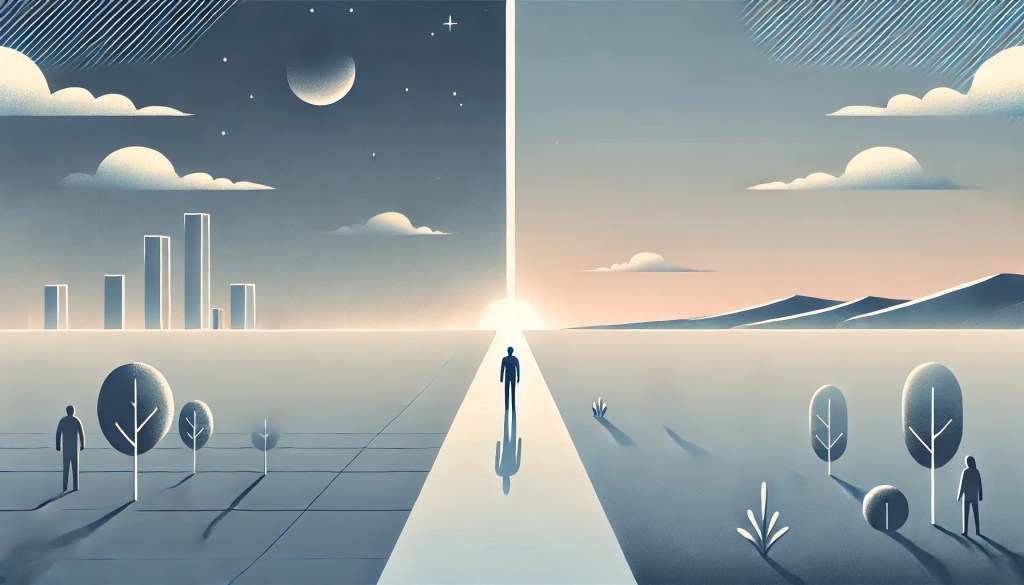
I introduce the concept of “Humanity” as a new, artificial and innovative, universal identity, transcending the “where we come from” . Humanity, as a concept, reflects on the unique cultural, philosophical, and scientific perspectives originating from a specific World-view. And as a result of the increasing planetary interconnectedness.
Overview
Here, I explore the idea of “humanity” as a collective of all humans, emphasising our unique capacity to innovate and act as a group, questioning how resources and decisions can align with the shared motivations and aspirations of this emergent global identity, on top of the also artificial creation of “individuals”.
Disclaimer
I probe humanity’s unprecedented ability to ask, “What do we want?” while remaining aware of the dark history and shadows that led us here. Plus showcasing my own privileged and biased background. I neither celebrate the path that brings us to this question, nor claim moral high ground, but instead these texts urge mindful choices guided by awareness, responsibility, and the resolve to avoid repeating past atrocities.
Preface
Through these texts I pretend to show our path to the concept of “humanity” emerging, and what “wants” are, might be and who actually engages into acting on these. The other big question under this is “why?”, why we now possess the resources and awareness to explore collective needs, responsibilities, and possible futures? and what to do with that awareness, if anything at all is possible.

Opening
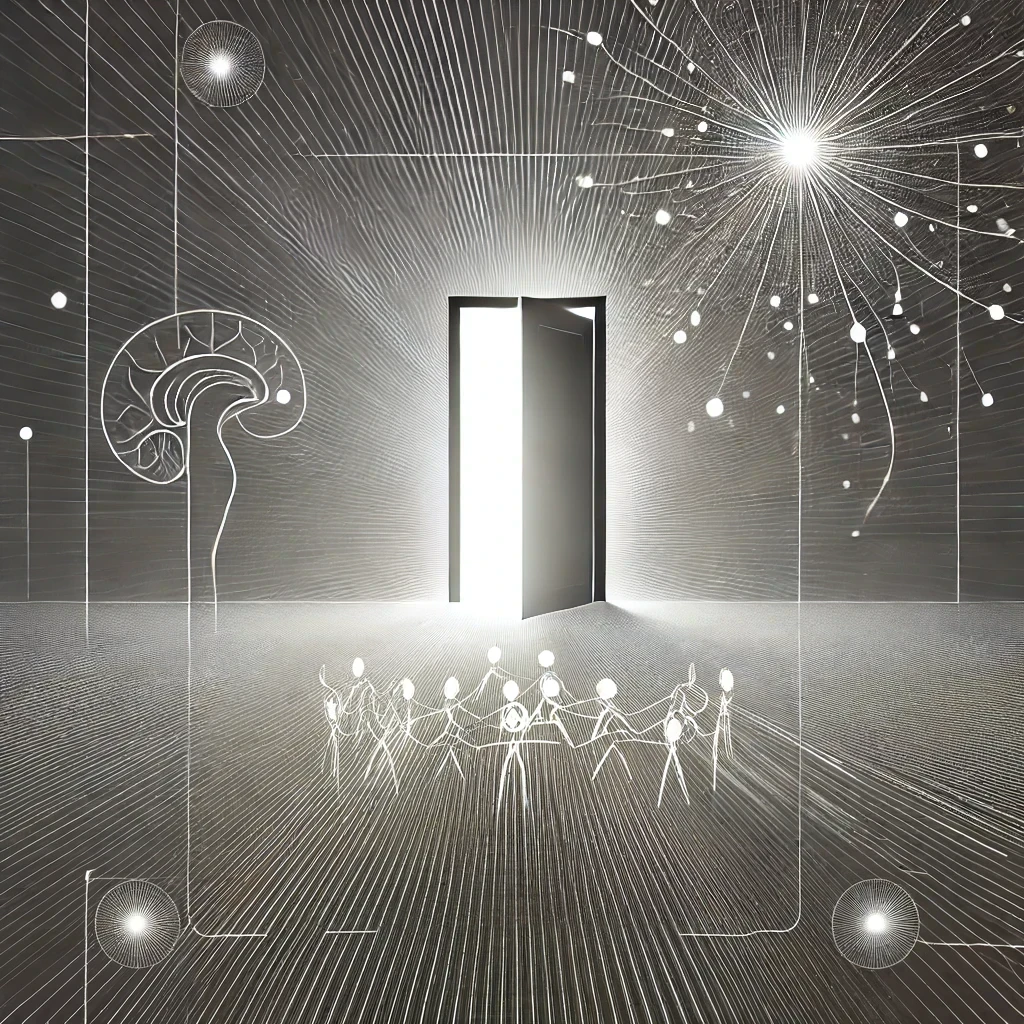
To pave the way for the question, let’s focus on three main ingredients guiding human evolution: intelligence, communication, collaboration. These traits enable the global reach which created “humanity” as a concept. While shared with other species, humans uniquely transcend genetic limits through culture. By examining these three traits’ growth, what follows traces the a path to understand humanity’s past and might guide its collective future as a species.
Acknowledgements
I would like, first of all, to acknowledge all the people who inspired me to delve deeply into this topic, the need to raise the question, and how to address it. Once the seed was planted, through long and stimulating conversations during Covid times, particularly with my friend and housemate Diego Simone, it became clear that there was potential for a thorough analysis and expansion on the topics that the question touched upon. From then on, most of my dear friends not only encouraged me to write about it and share it with them but also repeatedly highlighted that this is not a project lacking ambition. While my particular writings at the moment, these texts emerge from years of conversations, thoughts, inspiration, and being asked to work on this by people with whom I have been fortunate to share a bit of this life and world. To all who know their place in this, thank you—this is as much yours as it is mine.
Section 1 Intelligence, Collaboration and Communication
Intelligence
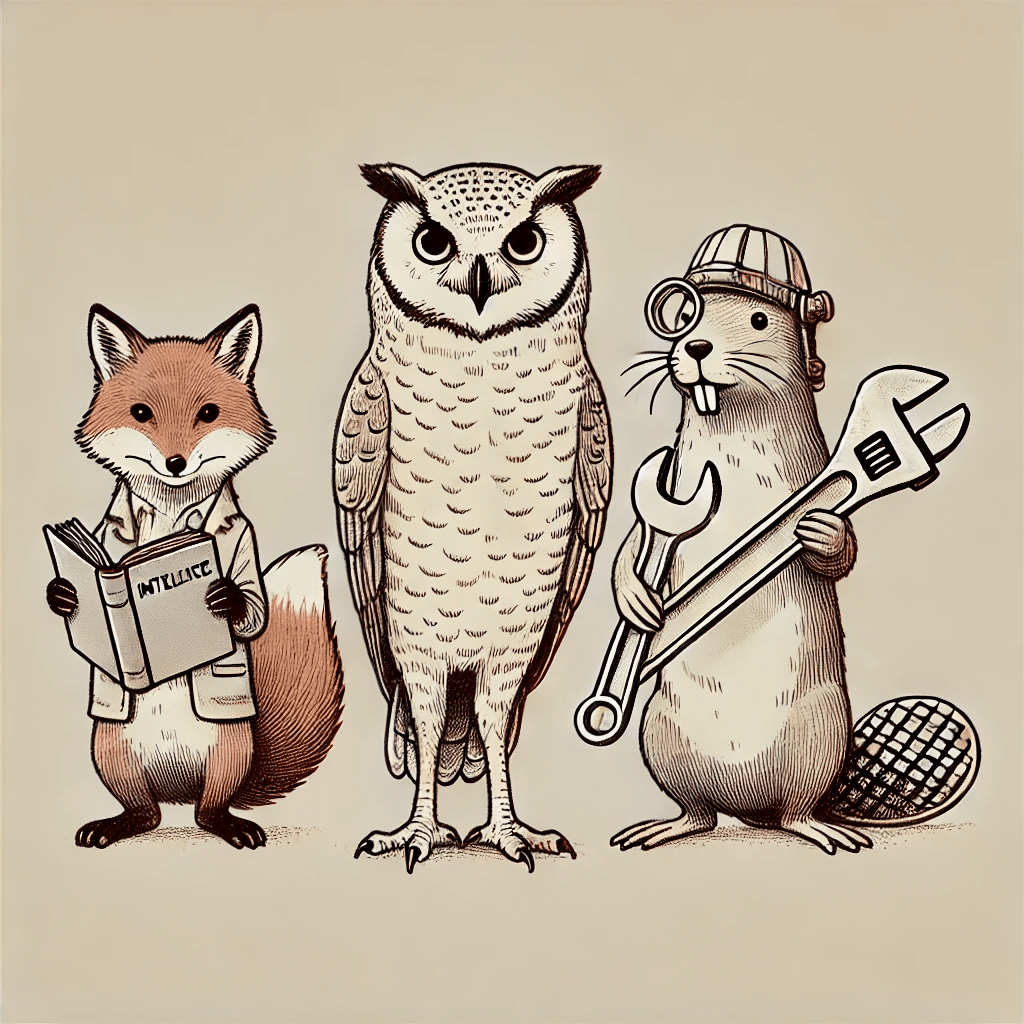
Using tools as a proxy of intelligence, we see that humans are not specially more intelligent than other species. However, what we see is that only humans have a strong bias towards over-coping and ritual performance, which is not shared among other species.

Collaboration
Collaboration is common among many internally and externally also across species (ex. wolf-human). However, the scale and complexity of these collaborations have its limits in non-human relations, human collaboration is in principle boundless, extending far back to tens of thousands years ago.

Growth of Communication – Culture
Once communication between groups emerges, everything changes. This accumulative communication allows for the complexity of the tools we use to be open-ended, creating the basis for culture, knowledge, and the anthroposphere, where communication goes beyond simply human beings.
Language
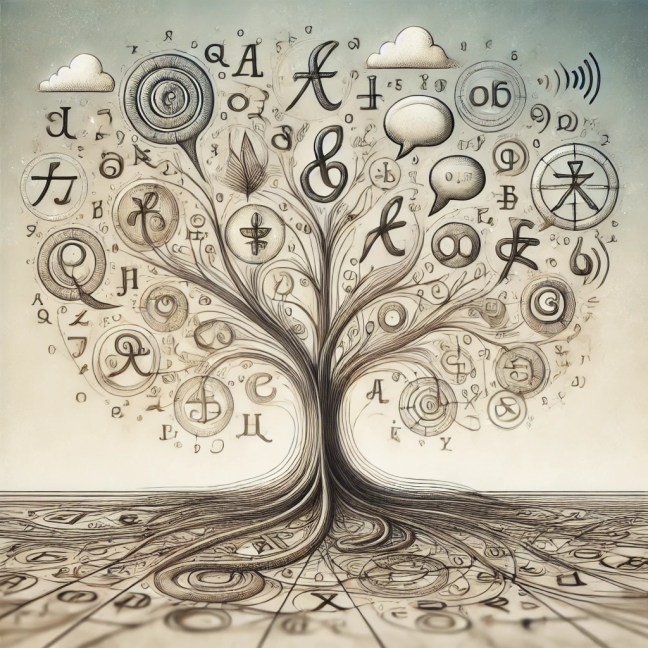
Language is arguably the most complex feature arising in the hominin genus and demonstratively shapes the way our brains work, as sing languages illustrate. Although, with limits and costs, humans can build bridges between different languages domains for a mutual understanding.
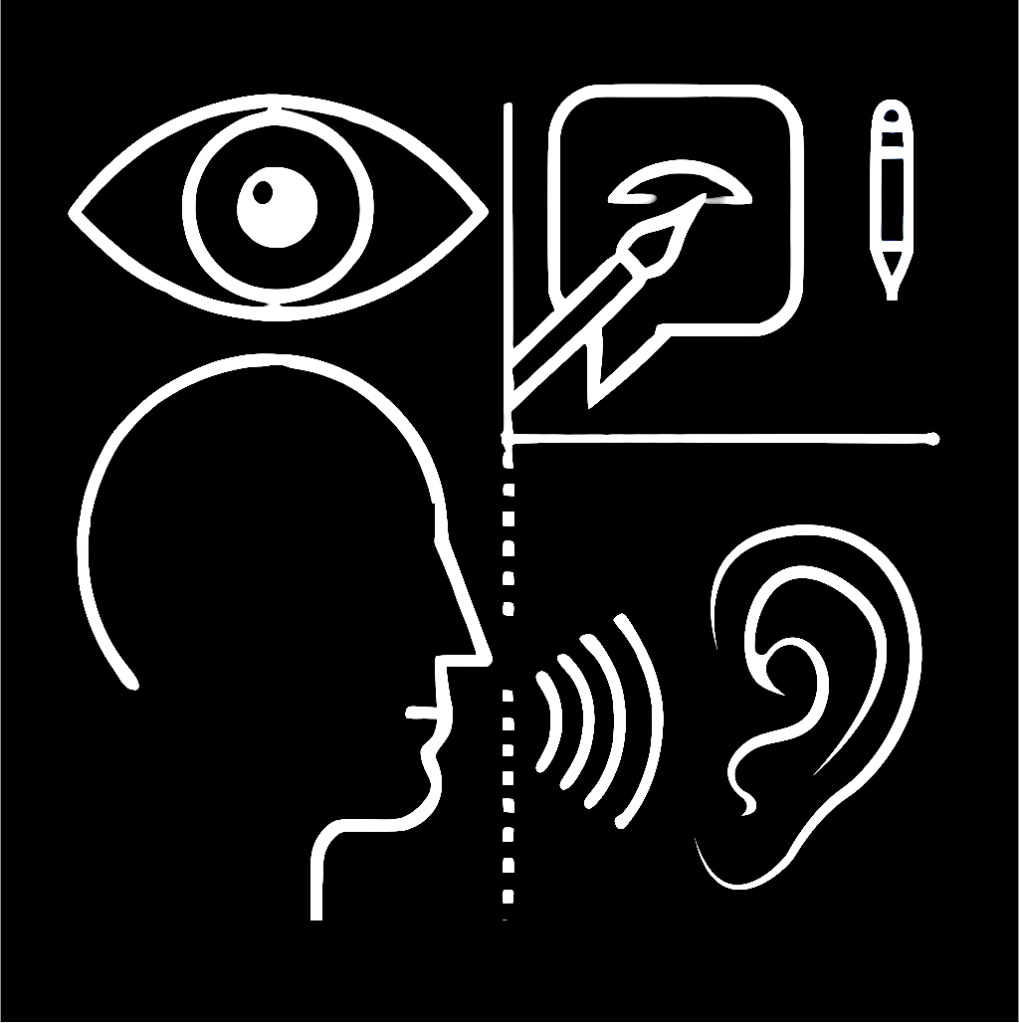
Forms of Communication
The basic forms of human communication are visual and auditory. Both seem to come from deep evolutionary past and arise early in childhood. We will see that each has particular strengths and weakness in ease to learn and to convey information.
Section 2 To Global Communication

Curiosity and Rarity, From the Small to the Global
Opening of the new section, here I pave the concepts to be developed, how by simple curiosity and rarity, through time and breaking barriers, improving understanding and speeding up tempos, our open ended communication tends to reach global scale.
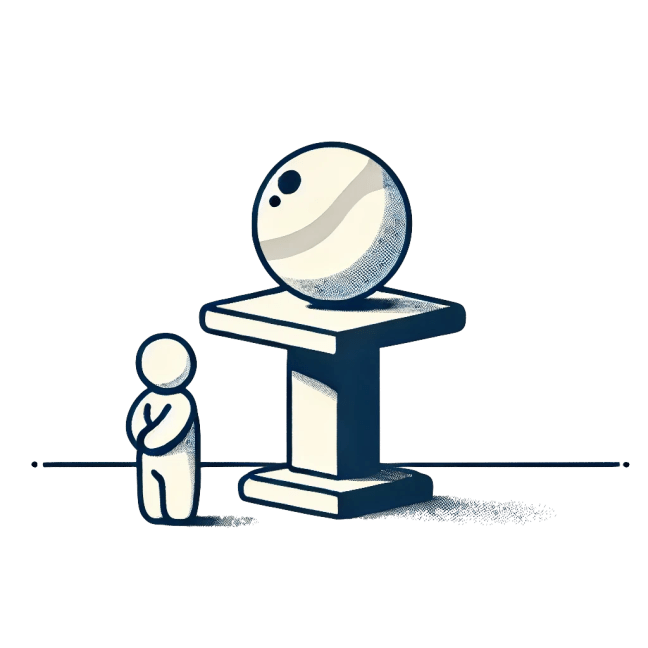
Rarity and Curiosity
From a thought experiment were relative rarity, combined with curiosity, allows for the exchange of resources, we will set the building blocs for global connectivity. Furthermore, we will get an insight on what might drive curiosity by looking at the curious plastic trash decoration of bower bird courting nests.
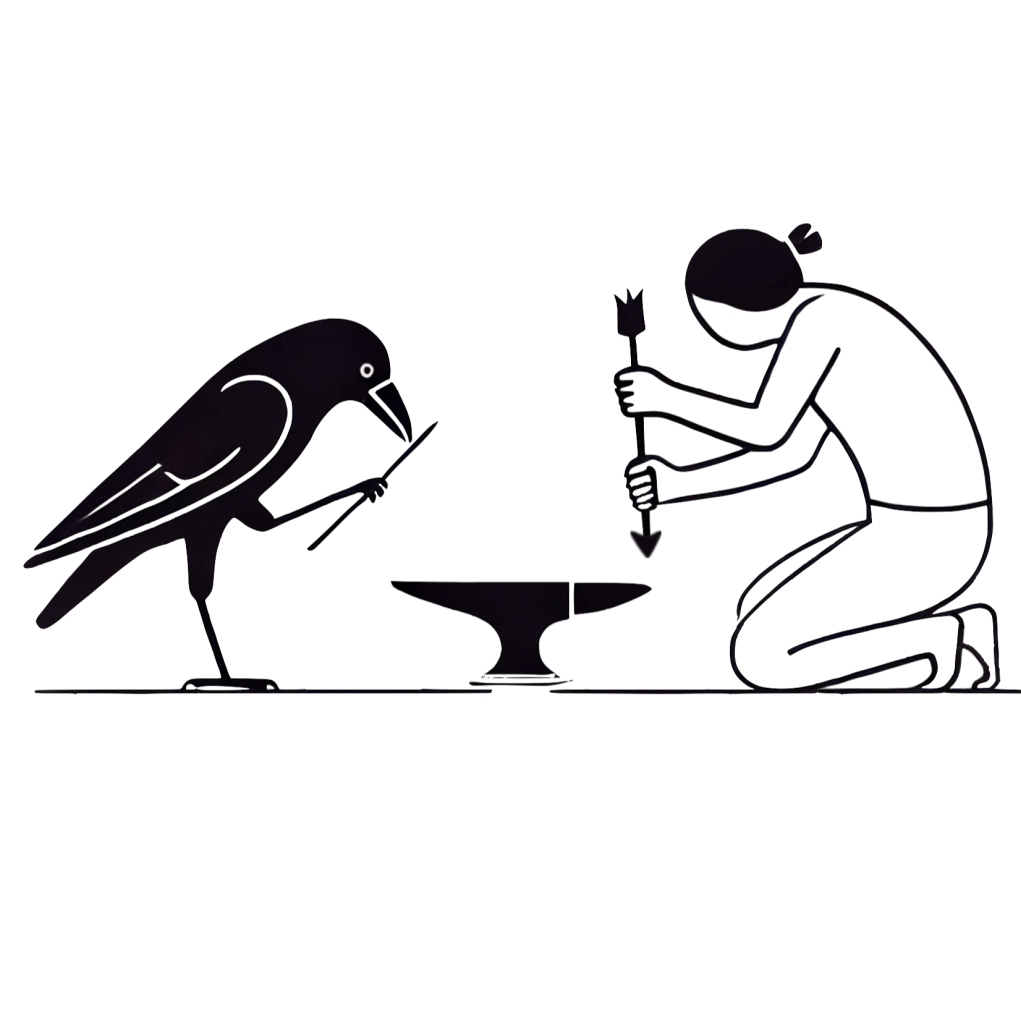
Tool Making
Simple tools do not show the lack of intelligence of other animals, intelligence and creativity that might surpass most humans. The absence of elaborate tools and techniques simply shows an absence of knowledge sharing in the non-human world.
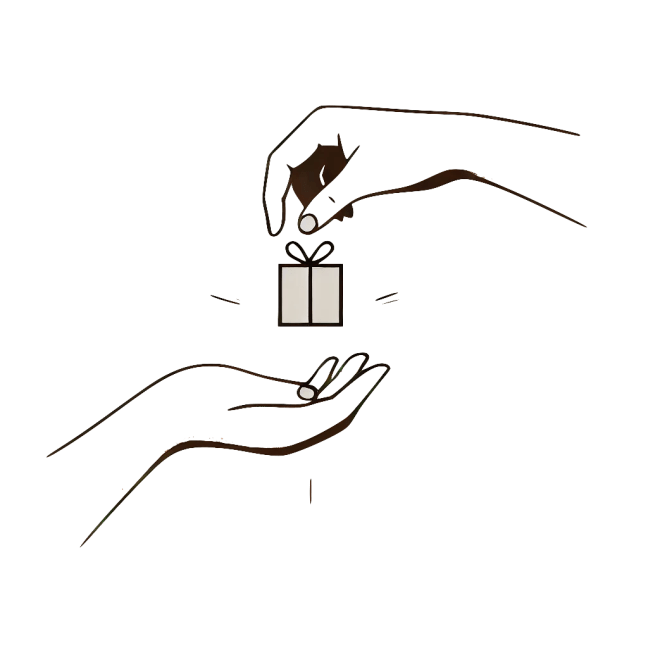
Exchange and Gift-Giving
Nonhuman animals enggage in a certain degree of giving/exchange, however limited to in-group mating or caring relations. Humans, on the other hand, actively exchange gifts between remotely, losely connected communities. These exchanges serve multiple proposes, many connected to the tool-making we have seen.
Signaling
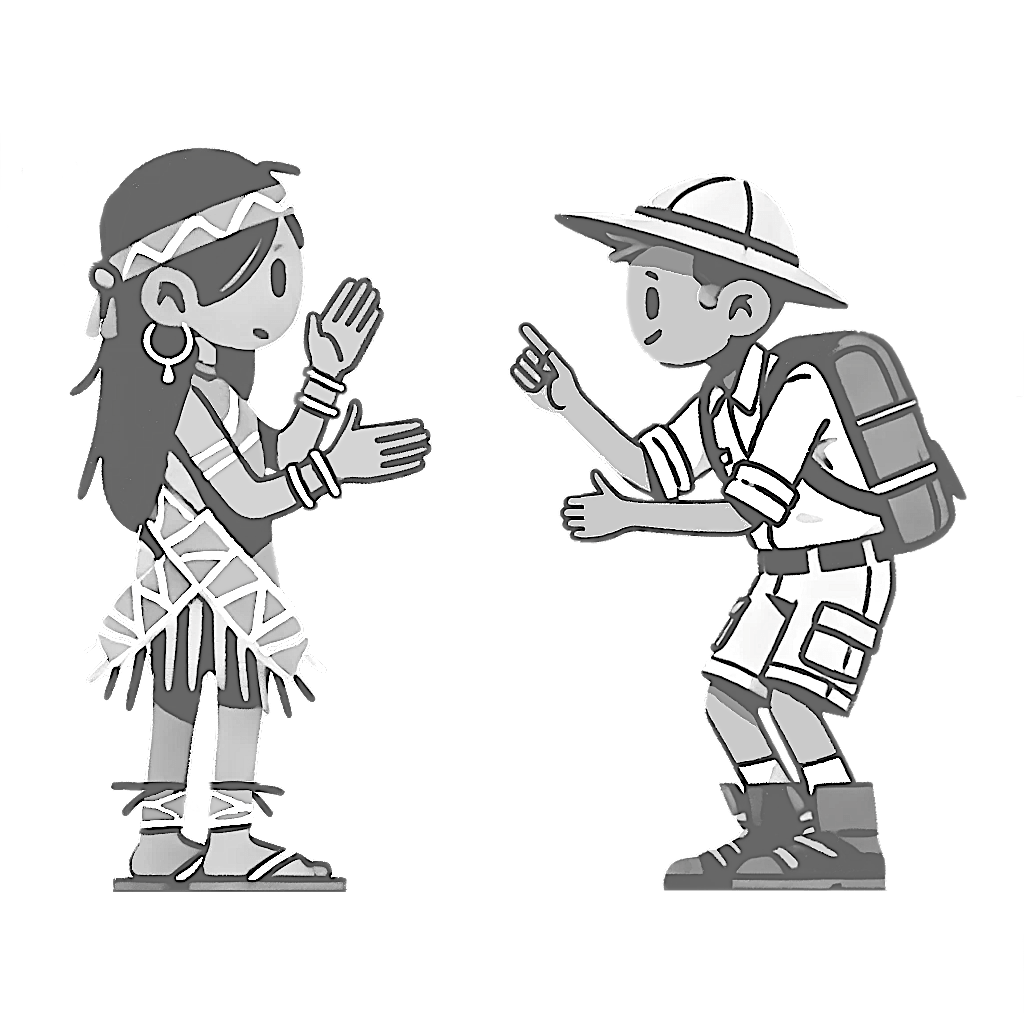
Signals are relatively easy to be created, conformed and followed even between social individuals who never saw each other and had no common cultural background. However, we do observe different trends, to conform to the majority, to reject it but cohabit, or to impose one’s will over others even in minority, with the use of authority, superiority or force.
Exchange Network Stabilisation
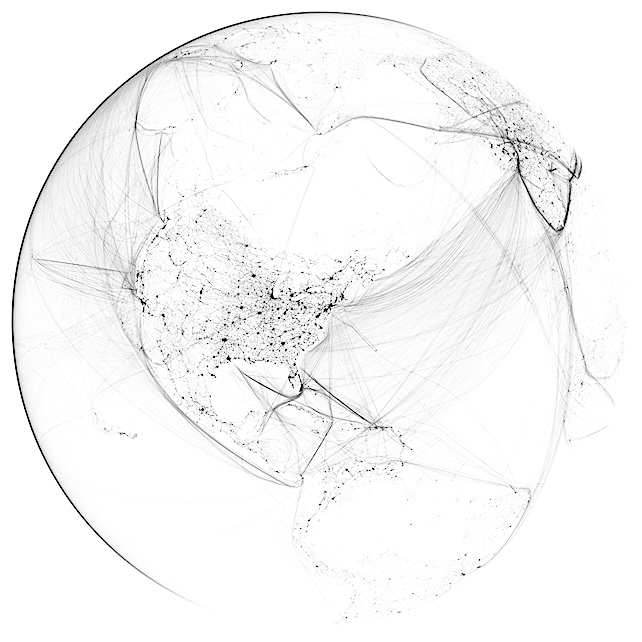
Local human exchanges—desire, rarity, gifts, marriages, tools, infrastructure, commerce, debt— lays the foundation for the consolidation and expansion of connection, at a cost. Once these basic dynamics can cross difficult barriers, like taboos, rivers, mountains and oceans, and are desirable, an increasingly interconnected World is likely the outcome.
Fragile Communication
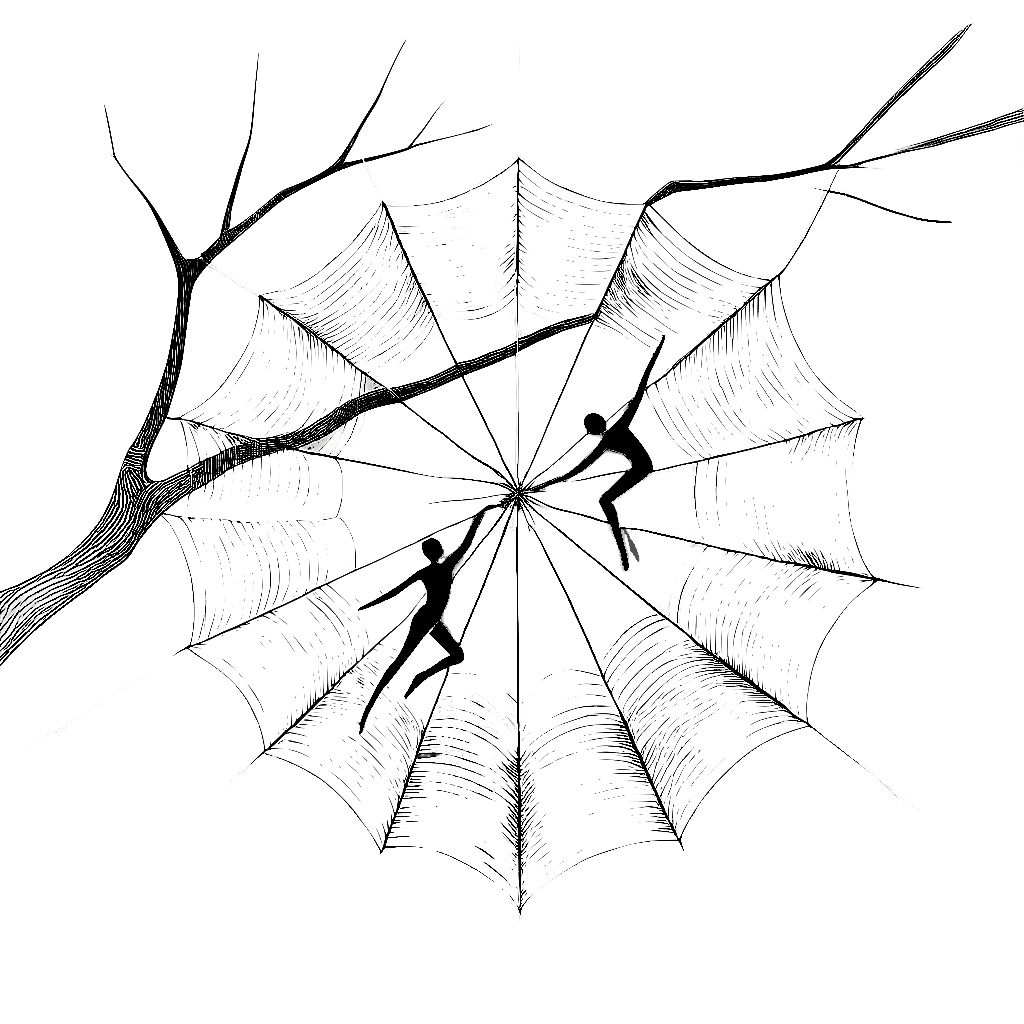
Although the increase in connectivity seems to be the trend, and we have seen some mechanisms to stabilise it, there are many examples in which lasting long distance exchange and deeper integration did not happen, especially when crossing oceans. Connection is not granted, is fragile and exposed to failure.
Section 3 The West Taking Over
From the Neighbours to the Seas
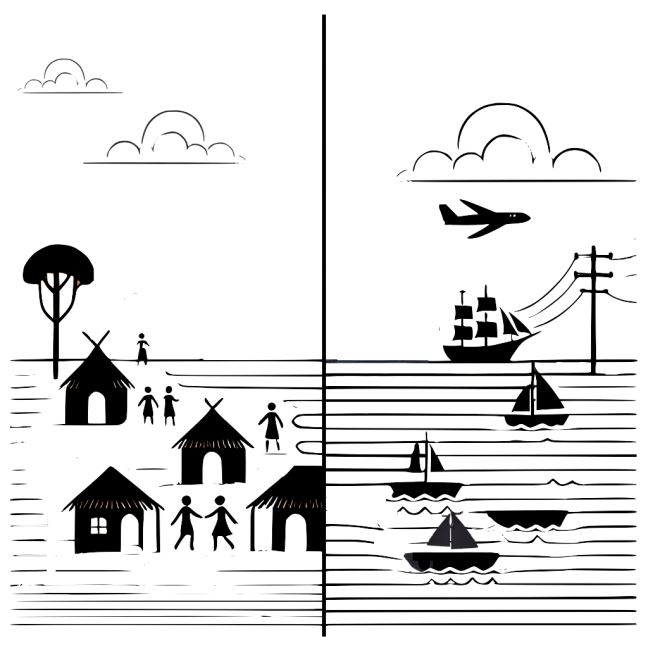
In this section, we jump to the start of our current intercommunicated world, where, on the wake of domination of ocean travel, the spices trade (mace/nutmeg and cloves) plus sheer ignorance combined with good-luck, placed the Europeans with the technology to affordably cross oceans regularly, changing forever the interconnectivity of the world, and placing them to dominate most of present life.

Revolutions, Scientific Revolutions
Europeans, within a generation experienced: a woopping 30% more landmass added to their world-map; navigation improvements to reach more lands, more frequently; protestant upheaval across Catholicism by printing and wars; Earth kicked around and put to orbit the Sun, the stars stopped. If all of that is not making one’s head spin, you might have missed the revolutions. Humans are no longer at the center of the Universe, but humanity might be at a special time.
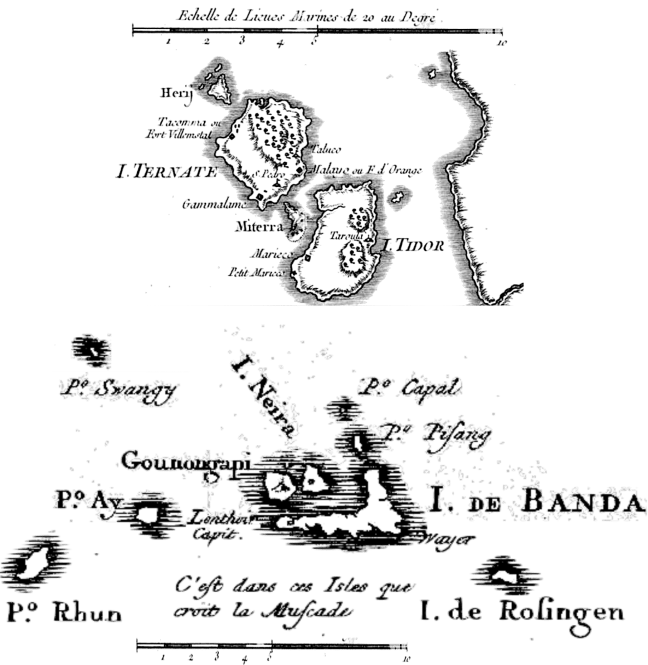
Western Dominions
Again, looking to get ludicrously wealthy, europeans (and later their ex-colonies) took the advantage in navigation technology to end up administering most of the landmasses on the planet. The specie islands illustrate well three possible fates to the previous inhabitants and administrators of these lands. This overwhelming dominion will set the pace for our current world, and the concept of “humanity” emerging.
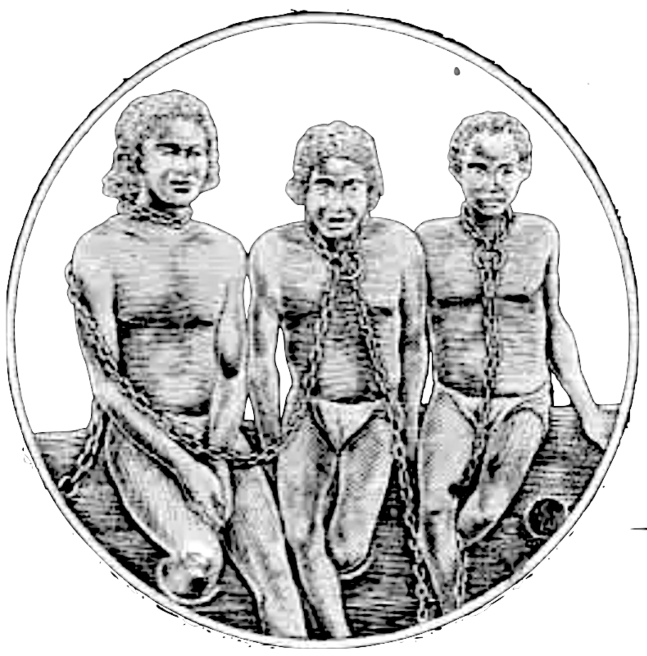
Commerce-Mercantalisation
Looking one by one at some of the basis of Western dominion —exploration, settler colonialism and proselytism— we see that these are usually secondary and come at the backs of pure exchange, or to be precise, high profit commerce. In the name markets, terrible abuses where done to the peoples for the exclusive control of one specific valuable resource, until inevitably the resource fell in value, leaving a legacy of mutilations and opera houses.
Section 4 Western Tools-Global Tools
Time Keeping
Hours minutes and seconds are used around all the planet. Why aren’t there 100 seconds in a minute, 100 minutes in an hour, and 10 hours in a day? why does this strange and somewhat difficult system not only exist but remain universal? Didn’t other parts of the world develop different systems that made more sense? Why are these not around anymore?
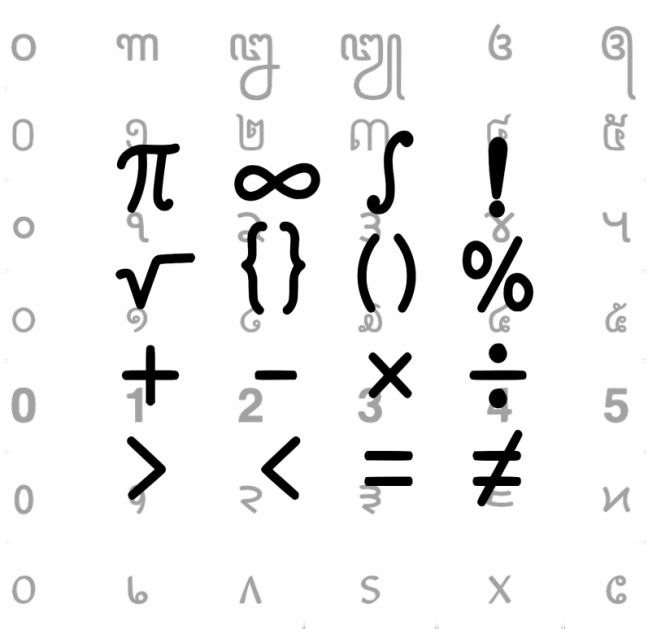
Mathematics, Universal, not the Way You Think
Mathematical symbols are written, and understood, the same in virtually any classroom of the planet. How has that come to be? Mathematic notation, not by representing some fundamental truth but by being a functional, simple, lingua franca dealing with tedious algebra and calculus, which is shared by most of human societies, has become the first universal -albeit limited- human language.

Francas, Linguas Francas
Linguas francas make use of the immense capacity of humans for language to easily create shared standards around specific functions, mainly commerce, market, administration, liturgy, sacred scriptures, technique, and increasingly formal state education. Now we are experiencing for the first time the relative easy global accessibility to a universal franca to cover all or most of these functions.
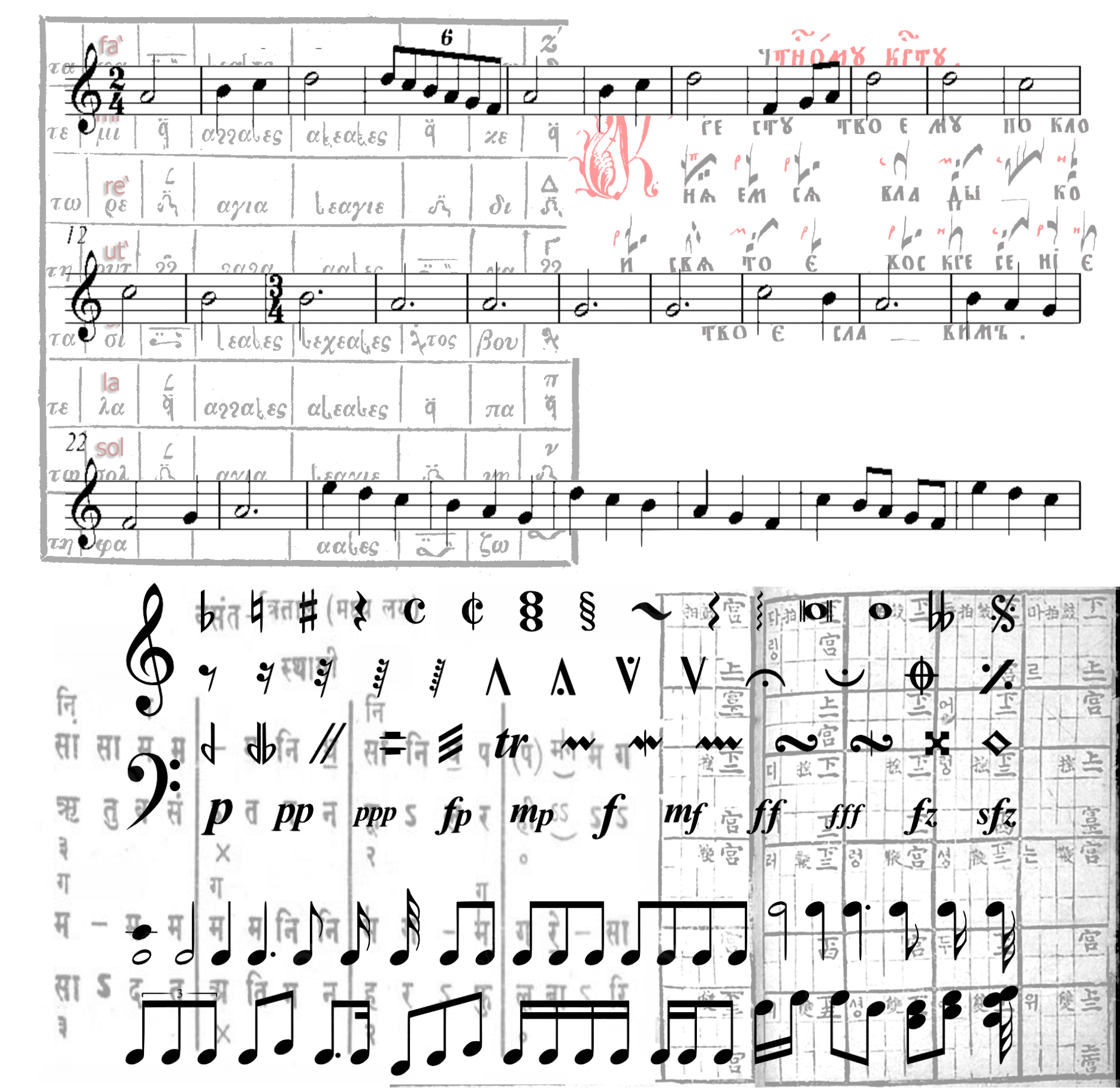
The Sound of Music
Another Western European standard tacking over the World in recent centuries, is musical notation and tuning. Interestingly, music and instruments resonate (pun intended) with neurobiological and cultural frames which shape how we encode a image-less sound in a format that can be longer lived than a human life. The fact that now there is one dominating standard on how to do that both expands creativity and crushes diversity.
 humanitywants.org